Wednesday, 8 April 2015

Concluding Post on Air Pollution


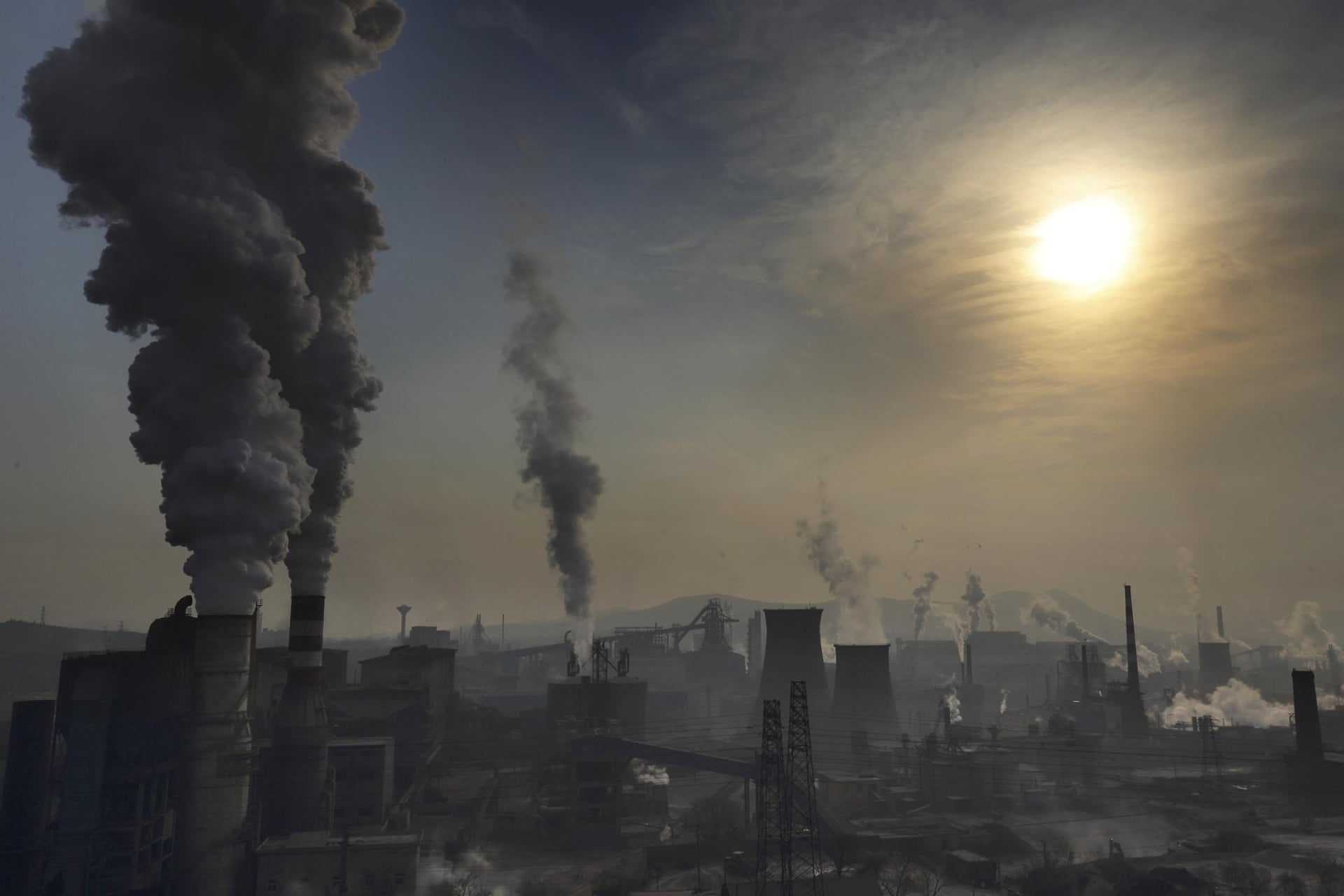
Having posted largely on air pollution over the past three months, I gained much insight on the true severity of air pollution around the world and evaluated the effectiveness of various air pollution control solutions. Air pollution occurs in varying scale ranging from city to regional air pollution. Air pollution in cities largely originate from the vehicular exhaust sources while regional air pollution includes transboundary haze pollution, commonly experienced in Southeast Asia, from the illegal "slash and burn" techniques to clear land for cash crop plantations.

My greatest takeaway would be that air pollution poses a huge risk to many countries in the world but there is also an inequitable global distributions of the impacts of the air pollution. 

This is further exacerbated by the disparity in the level of development as the poorer and developing countries are usually more vulnerable to air pollution. This is because of the lack of effective legislation system and political will in tackling air pollution sources. In most cases, the environment is sacrificed to attain higher economic growth by having weak regulations to attract polluting industrial activities. Perhaps they can only afford to put emphasis on the sustainability of their environment into their development plans when they are able to meet basic standard of living such as having proper education system, sanitation and other public utilities infrastructure. 

We have also seen the importance of having tough enforcements to ensure effective air pollution control in the case of China. The lack of enforcement by its regional governments have tainted the Central government's resolve in eliminating air pollution. Regional collaboration between countries is also critical to tackle regional air pollution such as the Southeast Transboundary Haze  in Indonesia through the ratification of effective treaty.

Nevertheless, at the individual level, we can protect ourselves against air pollution through gaining more awareness of air pollution and the risks we are exposed to. In addition, we can help make a difference by opting for greener mode of transport such as taking public transportation, and minimising the amount of our waste through reducing, reusing and recycling so that lesser waste will be sent to our incineration plants (cut down the liberation of dioxins and air pollutants associated with incineration of waste). We also learn that we can choose products with eco-labels in the case of encouraging sustainable growth of palm oil to discourage those irresponsible palm oil manufacturers from exploiting the "slash and burn" techniques that has resulted in catastrophic haze episodes. 

I have also introduced some promising technologies that may greatly help in the combat against air pollution, such as electric cars and the feasibility of safer nuclear power technology. 

Signing off (in preparations for my final exams)
It has been an enjoyable experience in maintaining an environmental blog to discuss on air pollution. Stay tuned in the future as I would post on other  interesting environmental issues or knowledge after my final examinations. I also really appreciate the support from the amount of viewers from all over the world, especially the viewers from the United States and even from Ukraine. Lastly, I hope that my blog has been informative yet interesting and my viewers have learnt as much as I do over the past few months. 

Sunday, 5 April 2015

Potential of Nanoparticles as Emerging Air Pollutants? 

Are Nanoparticles a Real Cause of Concern to our Health?
Source: BSIP/UIG/Gettyimages
In one of my earlier blogposts, I shared about the detrimental health consequences associated with particulate matter (PM2.5) such as their scientifically proven abilities to cause serious lung and heart diseases with prolonged exposure. Today I will be discussing on some of the lesser known nanoparticles engineered from nanotechnology and the existing knowledge gap in ascertaining whether will they pose a risk of concern to our health.

Nanoparticles have long been engineered for a wide range of applications. In fact, we are already exposed to them on a regular basis as they are highly used in the manufacturing of daily products. For instance, nanoparticles such as titanium dioxide can be found in many products ranging from paints to cosmetics while silver nanoparticles can even be found in deodorants. 

Unlike the larger PM2.5 air pollutant which is already proven to pose great health risk in terms of lung and heart diseases, scientists are still unable to conclude on the health effects of these nanoparticles. However, there is an increasing concern of the potential of these nanoparticles in causing grievous harm to our bodies. For instance, there is a recent report has shown that silver nanoparticles have the ability to create free radicals that are highly associated to many forms of cancer. However, the experiments are only conducted using human cells in laboratory settings and thus the scientists are unable to directly apply the results with great confidence. 

Similarly another group of scientists has also experimented different type of nano materials such as carbon nanotubes and ultrafine carbon particles on human respiratory cells and mice. The results were alarming as both the human cells and mice showed that nanoparticles can result in the autoimmune diseases in which the immune system will start to attack and destroy healthy tissues and even organs.

Although the current human epidemiology studies still have a high uncertainty on the exact health risk that nanoparticles can pose to us, it will be reckless to conclude that all engineered nanoparticles are safe. Instead, these reports show the need to intensify our research into these nanoparticles as there may be a chance that some of these nanoparticles would actually pose serious health concerns. Thus, the fight against air pollution has to keep up with the ever-improving technology.

Tuesday, 31 March 2015

How Reducing, Reusing and Recycling can help to reduce air pollution; A Look in Closed Production System

Having a strong legislation system is definitely fundamental in controlling air pollution through effective monitoring and enforcement of the regulations on industrial activities. However, a multi-pronged approach is still much needed to truly tackle the tricky air pollution issue in a holistic manner. Today, we will look into how industries can develop closed production system to help reduce, reuse and recycle industrial wastes so that lesser industrial wastes will be produced. A reduction in industrial wastes will translate into lesser amount of waste being incinerated and a reduction in the amount toxic air pollutants byproducts produced from the incineration plants.

Singapore is a land-scarce country so we incinerate our waste into ash to help reduce the volume of the waste down to as low as 10% of their original volume. The ash will then be transported to our offshore landfill island, Pulau Semakau, which was a land reclamation project between two original smaller islands. It is well known to be a world leading innovative waste management method as it is  also fast becoming a habitat in supporting a diverse biodiversity.  
Pulau Semakau, The World's First Offshore Landfill
Source: Roslan Rahman/ AFP/ Getty Images
As perfect as it may seem, incineration is far from being the perfect solution as it produces extremely carcinogenic air pollutants also known as the furans and dioxins, along with other better known air pollutants such as nitrous oxides and sulfur dioxide. In addition, it is highly expensive to build and maintain the incineration plants especially the pollutants trapping system to ensure that these harmful air pollutants are not released into our air.

Therefore, the more sustainable way forward is to minimise the waste sent for incineration. Now we will explore on a relatively novel framework - closed-loop production system, that industries can adopt to help reduce their industrial waste. A comprehensive paper that evaluate and emphasis on the value of this innovative framework by H. Winkler is available here.

In his paper, he stresses that the current unsustainable production chain between various industries generates high amounts of industrial waste. Hence, he introduced the concept of sustainable supply chain networks (SSCNs), which different manufacturing industries will collaborate to collect, exchange and eliminate waste. For instance, waste from an industry can serve as a valuable material for production process in another industry, thus reducing the total amount of waste generated if these industries are to operate individually. For instance, carbon dioxide gas generated from cement producing plants can be harnessed for biofuel companies to manufacture their algae-based fuels.

Moreover, he also recommends the manufacturing companies to invest in new technologies such as the ease of disassembly of their products when discarded to increase the recycling potential of the products. This will in turn help to reduce the waste generated when the products reach the end of their shelf life.

This exciting closed-loop production system definitely opens new possibilities and possesses the potential to help to minimise waste sent for incineration, thus reducing the generation of hazardous air pollutants such as dioxins. Lesser waste generated can also help to fight against other pollution such as water pollution and etc. 

Sunday, 29 March 2015

Singapore's Legislation on Air Pollution Control

Singapore well known for its clean and green environment
Source: Carlina Teteris/ Gettyimages
Today's Singapore is bless with good air quality conditions despite the staggering amount of vehicles on the roads, high national power consumption and even boasting one of the world's largest petrochemical industry and oil refinery, and this did not happen by chance. The good air quality is established and maintained by a set of tough and effective legislation system that has undergone continual revision over the past decades.

Prior to the Clean Air Act introduced in 1971, air pollution control is governed by a provision known as the Local Government Integration Ordinance that was lacking in clear emission standards and thus resulting in ineffective enforcement by the authorities on the polluting industries. 

The launch of Clean Air Act was thus followed by the establishment of the Clean Air (Standards) Regulations in the following year, 1972. Through the regulations,   exact emission limits were imposed on various air pollutants to enable effective enforcement of the Clean Air Act. 

With a better understanding of the intertwined nature of pollution such as eutrophication that was mentioned in one of my previous post on how air pollution can lead into water pollution, Singapore government saw the need to integrate the various pollution control acts. As a result, the 1999 Environmental Pollution Control Act (EPCA) was established to serve as a more comprehensive legislative framework to control pollution ranging from air pollution, water pollution to noise pollution. The EPCA integrates the previous pollution control acts and seeks to maintain a general healthy and safe environment that is free of pollution in Singapore. 

Through the EPCA, emissions of air pollutants from mobile and stationary sources of pollution are regulated and limited. For instance, Euro V and IV vehicular emission standards are imposed on new diesel and petrol vehicles in 2014 which will contribute in the significant reduction of PM2.5 concentration in our atmosphere, with the constant commitments in reducing sulfur content in diesel fuels to reduce SO2 emissions. In addition, the EPCA even made it illegal for car owners with poor maintained cars that emit smoky exhausts. The EPCA also contains regulations to ensure that industries monitor their emissions frequently. Tax incentives are further granted to subsidise the purchase of more efficient equipment that will have reduced emissions in air pollutants.

Singapore's clean air today is attributed to successful legislation, dating back to the 1970s that safeguarded Singaporeans' health while Singapore rapidly developed from third to first world country. Air pollution control still remains a challenge into the future especially from the ever-growing vehicle demand and the transboundary haze episode. Innovative solutions such as electric cars and efficient public transportation system as well as regional collaboration with our neighbouring countries will be required to ensure that the air in Singapore continues to be clean and healthy for our wellbeing. 

Wednesday, 25 March 2015

Kudos to The Man Who Valued the Importance of Clean Air in Singapore 


This has been a sombre week for all Singaporeans as it marks the passing of one of our greatest leaders in Singapore, Mr Lee Kuan Yew. He had been a visionary leader whom I dearly respect, as without his guidance, Singapore will never be able to achieve the present level of development. With his team of dedicated ministers, Mr Lee solved many major problems ranging from housing to environmental issues. 

Mr Lee Kuan Yew was instrumental in the establishment of the early anti-pollution legislation act in Singapore. In 1970, Singapore was in the midst of rapid industrialisation and such was his belief in the importance of a clean and safe environment in Singapore, he placed the Anti-Pollution Unit (APU) in his Prime Minister Office and gave strong political backing in the anti-pollution initiative

From the book 'The Singapore Water Story: Sustainable Development in an Urban City State', it is mentioned that it was due to the swift implementation of effective anti-pollution law, Singapore was able to avert environmental degradation that most developing countries are experiencing from having lax environmental legislations in a bid to attract industrial investments. This can be largely accredited to Mr Lee's emphasis in creating a clean and healthy   environment which help to enact The Clean Air Act in 1971 shortly after the establishment of the APU. The Clean Air Act was an important piece of legislation that empowered Singapore authorities to take effective measures against polluting industries. It was Mr Lee's foresight that allowed Singapore to excel in the balancing of economic growth with its associated environmental consequences.

I hereby sincerely thank Mr Lee Kuan Yew for his momentous contributions in building Singapore from a third world country into such a liveable and green city that many Singaporean generations will cherish and enjoy. His lifelong dedication in serving the nation will definitely help to inspire more future leaders and every Singaporean will never forget this great man. Stay tuned as I will discuss more about Singapore's Clean Air Act in the next post.

Sunday, 22 March 2015

Air Pollution is Fast Becoming a Global Issue

Air pollution has been hitting the global headline news over the past week, highlighting the vulnerability of cities in the face of haze and smog. Thailand has been enveloped in its annual haze episode since early March due to the increased 'slash and burn' farming techniques in the current dry season. Singapore's air quality also fell to  the moderate range over the past 3 days with suspected fire spots in the region.

Further away from Asia, Paris encountered a severe air pollution spike last Wednesday. It was largely attributed to the exhaust fumes from transportation especially from the polluting diesel cars. As such, drastic measures have been called upon and only cars with odd-numbered plates would be allowed to drive on Monday. The public transport will also be made free to encourage city dwellers to utilise the public transportation system and reduce the need for private transportation.


Paris Shrouded in Smog
Source: Marcaux/ Gettyimages 
However, this air pollution episode was made worse due to the meteorological conditions. The current warmer March period creates a dry and stable condition that has filled the air with more air pollutants. This goes to show the complexity in the understanding and controlling air pollution as there are many other interacting factors between the air pollutants and the atmospheric system. 

In addition, the atmosphere can also interact with the hydrosphere such that air pollutants can enter waterbodies and cause water pollution. For instance, eutrophication can be a result from transboundary air pollution in which external nutrient sources are deposited through precipitation processes. 

Eutrophication is a condition in waterbodies with excess nutrients that can result in harmful algae blooms to degrade water quality and kill marine life. Air pollutants such as nitrous oxides are liberated into the atmosphere through the burning of fossil fuels, following which these active forms of nitrogen would be deposited along with precipitation into waterbodies and cause eutrophication.     

In view of the transboundary nature and complexity in the transport of air pollutants, it is crucial for international cooperation between different states to come out with comprehensive air pollution measures.   

Thursday, 19 March 2015

The Future of Electric Cars

Can electric cars be the solution to exhaust fume pollution?
Source: Michael H/ Gettyimages
From the previous post, we learnt about the growing importance in environmental consumerism. Consumers are becoming more environmentally conscious in making informed decisions to purchase more eco-friendly products. Today we will look into the prospects of electric cars which can potentially help resolve a major air pollutant source that most cities are facing - vehicular emissions.

Having written a post on how adopting cycling as an alternative mode of transportation can help to reduce the reliance on private vehicles, it is also important not to neglect the fact that the demand for cars will be difficult to    stop in the near future. This is due to the rising growth in middle-income groups, especially when cars are associated with the status of wealth and higher standard of living.  

In the recent years, the electric car technology has improved by leaps and bounds and it is heartening to know that many cities are attracted to tap into it. Electric cars are powered by rechargeable batteries and they do not emit harmful exhausts, thus having the potential to achieve great reductions in major air pollutants such as nitrogen dioxide and sulfur dioxide. In addition, electric cars are also much more efficient than current conventional cars that run on petroleum fuels. For instance, electricity can be even recovered from braking of vehicles which can then be utilised again to power the electric cars. Electric cars are estimated to be up to three times more efficient than conventional cars.  

However, there are concerns that electric cars could result in more air pollution if their electricity source is derived from conventional coal burning. This will just translate into the meaningless transfer of air pollutants from vehicular exhaust to the flue gas liberated from coal-fired power plants. Hence, it is crucial to develop clean energy sources to generate electricity for these electric cars, before they can be truly considered as the solution that can help tackle air pollution. 

Other current barriers to the commercialisation of electric cars include the high cost of producing their batteries. The upfront cost of electric car is still significantly higher than most conventional cars, discouraging consumers from purchasing them. However, there are much optimism in the future that the cost of electric cars would be able to compete in the market. For instance, Tesla Motors, a giant electric car manufacturer, has already plans to upscale its production of batteries that will greatly help to reduce the cost of battery production through sheer economy of scale

Nevertheless, many cities are already exploring or have even started to tap on the potential of electric cars. For instance, Singapore has launched several extensive trials on electric cars with further plans to devise effective blueprint that can make electric cars a reality in the city. Elsewhere in Shenzhen, China, the city has been awarded with the C40 City Climate Leadership Awards for its green public transportation infrastructure that runs on renewable energy, boasting over 800 electric buses and 850 taxis. Electric cars definitely show much promise to help alleviate air pollution in cities in time to come. 

Saturday, 14 March 2015

Societal Responsibility through Effective Eco-labelling of Palm Oil 

From the previous post, it is irrefutable that the ever-increasing global demand for cheap palm oil is fuelling the annual Southeast Asian haze episode as oil palm producers employ the unsustainable 'slash and burn' practice to lower the production costs. We also learnt about the wide application of palm oil in manufacturing industries to produce many daily products such as margarine and even soap. 

Being heavy consumers of these palm oil products, we can make a difference by placing societal responsibility on the manufacturers to seek for sustainable palm oil sources. We can support sustainable palm oil industry by making the informed decision to choose products that are made from certified sustainable palm oil. One of the eco-labels or trademarks of these products is the RSPO (Roundtable on Sustainable Palm Oil), which certifies the production of sustainable palm oil without the need for deforestation. (Click on the video  link provided below to learn more about RSPO! :))


However, eco-labelling of products is never easy due to the complex palm oil market chain. An journal article from ScienceDirect (Sustainability in the Malaysian palm oil industry by Chong, C. and Mckay, A.) emphasised on the importance of eco-labelling in informing the general consumers like us; to make informed choices to purchase sustainable palm oil products. It is important for us to be responsible consumers so as to influence the manufacturers to acquire sustainable palm oil certification by practising our purchasing rights. This will help stop the unsustainable oil palm agricultural practices such as deforestation through the 'slash and burn' technique that has resulted in the annual Southeast Asian haze. 

In addition, the article also revealed that effective eco-labelling requires the traceability of information from the end product to the raw palm oil sources so as to ensure the accountability of sustainable oil palm sources in the palm oil supply chain. This would require the stringent monitoring mechanism to ensure the reliability of the information reported. 

Nevertheless, we can exert pressure on the palm oil supply chain by purchasing products with trusted eco-labels that have stringent certification and auditing procedures such as RSPO. By doing so, the manufacturing industries would have to eventually conform to the environmental norm and source for sustainable palm oil so as to meet the expectations of the consumers. 

Wednesday, 11 March 2015

Unmasking the Hazy Affair in Southeast Asia


"For 11 months, they enjoyed nice air from Indonesia and they never thanked us" is the recent remarks by Indonesia's vice president Jusuf Kalla last week evoked our memories of the dreadful haze episode back in 2013 when PSI readings hit a record high of 401 in Singapore. It is the epitome of the modern transboundary scale of air pollution as the 2013 Southeast Asian haze enshrouded several regional countries such as Brunei, Malaysia, Thailand and Singapore. Today I will be discussing on the main causes behind the almost annual haze affair that has been blighting the Southeast Asia.

The haze episodes that the region has become increasingly familiar with, usually occur during the relatively drier period from June to September in the Southeast Asia. The drier conditions leads to the increased occurrence of natural forest fires. However, the drier conditions are also optimal for anthropogenic (man-made) fires to clear vegetation via the cheap and traditional agricultural practice known as the "slash and burn" technique, which is used by the indigenous locals in Indonesia for subsistence farming

Through the intentional burning of the vegetation, the remaining ashes will produce fertile soils for the growth of agriculture. It represents as a sustainable farming technique when it is done on a smaller scale with controlled burning. However, many companies in the huge palm oil industry in Indonesia have upscaled the "slash and burn" technique to clear large expanses of vegetation for the growth of oil palm plantations. As a result, the uncontrolled and often unmonitored burning has led to the severe haze episodes. The haze contains hazardous air pollutants such as the PM2.5, sulfur dioxide and carbon monoxide, which will result in noticeable increases in respiratory cases especially among those who have pre-existing respiratory diseases.   

Slash and Burn Technique Used to Clear Vegetation
Source: Jacques Jangoux/ Getty Images
The ever-increasing global demand for cheap palm oil especially from China and India is spurring the unsustainable "slash and burn" technique so as to expand the oil palm plantations to cope with the demand. The palm oil is currently a hot commodity to manufacture a huge array of products ranging from soaps to pharmaceutical products. It is also an important ingredient for the preservation of food products due to its property to resist oxidation. The rampant burning of vegetations to clear land is also driven by competitive economic factor as these manufacturing industries always source for the cheapest palm oil to lower their production costs.

Although the open burning of forests has been made illegal in Indonesia,  corruption among the officials has led in the loose enforcement of the legislation. The persistent haze episodes have also been largely attributed to the general lack of political will of the Indonesian Government, which is evident in the  delay in the ratification of the ASEAN Agreement on Transboundary Haze Pollution. Fortunately, the Indonesian Government took a major step in ratifying the agreement last year, which will hopefully help in the better future management and control of illegal burning of forests through regional collaboration and support from other ASEAN countries. Stay tuned as I will discuss more on how we can do our part in the fight against the haze by being informed consumers and buy sustainable palm oil products in the next blogpost.

Friday, 6 March 2015

The Tricky Balancing Act Behind Air Pollution Control

The Dark Truth Behind Air Quality Standards
Source: Alice Sundbom/ EyeEm
Beside the energy dilemma due to coal burning being the cheapest energy generating option (discussed in my previous post), there are many other factors  that are complicating efforts in air pollution control such as the legislation of air quality standards. 

Air quality standards are important measures that are established to ensure that air pollutant concentrations do not exceed to levels that will greatly harm the public health. It is known that air quality standards vary across the world even though most governments follow the same World Health Organization (WHO) air quality guidelines when setting their own national standards. The WHO air quality guidelines are based on the latest scientific evidence of air pollutants and their health consequences. However, these research is not sufficient to determine the exact thresholds of air pollutants such that adverse health effects will not occur, especially due to the fact that everyone has different sensitivities to air pollution. For instance, children and  the elderly are significantly more vulnerable to air pollution. Thus, it is even stressed by the WHO that the guideline values provided cannot be implied to fully protect human health. 

In the ideal scenario, there should be zero air pollutants in our atmosphere to ensure maximum protection of the population's public health. However, economical growth plays an indispensable role in today's world and emission of air pollutants from these economical activities can be regarded as a necessary evil. Therefore, it can be implied that the air quality standards represent the level of tolerable risk that the country is willing to accept to balance its economical growth or development of the country with public health risk. Other important factors, which influence the level of air quality standard, include technological feasibility and level of development of the country that will directly determine the country's capability in meeting these air quality standards.

A recent article has suggested that even the current European Union (EU) air pollution target may still be too high for human health, drawing the need to  continuously revise current air quality standards. The article also highlighted an important fact that even if a certain level of risk from air pollution can be deemed acceptable, the risks to individuals within the population can never be equally distributed. For example, it mentioned that communities that are located nearer to major sources of air pollution such as living next to a busy road can have a much higher risk due to the long-term exposure to the hazardous air pollutants. Therefore, it is vital for policymakers to pay attention to the difference in sensitivities and distribution of risk when establishing comprehensive air quality standards to safeguard the public health. It is truly a tricky balancing act to determine air quality standards in air pollution legislation. 

Tuesday, 3 March 2015

The Great Energy Dilemma; Will Nuclear Power Put a Stop on Air Pollution?

Continuing from my previous post that energy production represents a major source of air pollution especially from the combustion of fossil fuels, today I am going to discuss about other renewable energy sources.
Breakdown of Damage Costs by Industrial Sector
Source: European Environment Agency
Unsurprisingly, a recently published report by European Environment Agency has revealed that energy production is still the leading industrial source of air pollution (67%) that dwarfs other major industries such as manufacturing and agriculture industries. For example, it is reported that 29 coal-fired power-generating facilities are in the top 30 most polluting facilities in Europe. Other significant polluting industries after power generation are production facilities of iron and steelworks. 

Although it has already been universally known that burning of coal to generate energy is a highly pollutive method that emits high amounts of greenhouse gases, nitrogen oxides and sulfate dioxide, coal accounts for 40% of the world's electricity needs and the demand for coal has not shown any signs of slowing in the near future. This is because coal burning has always been the cheapest way of generating electricity since Industrial Revolution. As a result, cleaner renewable non-burning energy sources such as solar energy, wind energy and hydropower are still not as economically competitive as compared to energy generation via coal burning. 

One major difficulty that is still preventing renewable energy sources to compete with fossil fuel burning; is the lack of efficient energy storage system to cope with peak demands of electricity due to the high cost and difficulty in store large amount of electricity. For instance, solar energy only generates electricity in the day when there is sunlight but the peak demand of electricity is usually in the night time where a greater amount of electricity is required to power lightings in major cities and households. Therefore, more investment to create more efficient smart grid is required before renewable energy can compete with the reliable and cheaper coal burning. 

In addition, other renewable sources of energy can also cause other form of environmental degradation in one way or another. For instance, the manufacturing of solar panels require the use of toxic heavy metals such as lead  (neurotoxin) and cadmium (carcinogen), which will pose as a great hazard with improper disposal at the end of their shelf life. Even hydropower is known to result in the destruction of downstream aquatic ecosystems and may even worsen droughts if not being managed carefully.

Contrary to the public perception that nuclear power is deemed highly unsafe due to the fear of nuclear meltdown and potential nuclear enrichment for nuclear weapons; nuclear power technologies have improved by leaps and bounds to become a reliable, safe and yet truly green energy. For instance, Thorium has been hailed as the future nuclear fuel that will reduce the risk of an potential nuclear meltdown and it is also difficult for the enrichment of Thorium to make nuclear bombs. Furthermore, the advancement in nuclear technology has even enabled us to recycle hazardous nuclear waste by using them as fuels to generate more power. Perhaps advanced nuclear power will be the answer to the world's energy dilemma in years to come, solving the air pollution issue as it can satisfy our ever-growing energy demand without emitting any air pollutants. 

Friday, 27 February 2015

Air Pollution and Climate Change -The Threatening Double Act?

The Intricate Relationship Between Air Pollution and Climate Change
Source: Blend Images - REB Images
On the previous post, we debated on whether carbon dioxide should be labelled as a major air pollutant for having many adverse environmental repercussions such as ocean acidification. Today, I am going to share a more appalling fact that air pollution is set to worsen in tandem with anthropogenic driven climate change.

Recent conducted studies have shed some light on the complex interactions between air pollution and climate change. For instance, global warming would have a direct effect on the global precipitation and wind patterns which are crucial in the dispersal and transportation of the air pollutants. According to a study published on ScienceDirect that investigated climate change's effect on air pollution, climate change will exacerbate ozone pollution in urban areas and may directly trigger more respiratory illnesses and asthma attacks with the higher ozone exposure. This will in turn lead to the tightening of existing emission limits of ozone and other air pollutants; hampering existing efforts on air pollution control. In addition, ozone pollution is also known to destroy important crops such as wheat, thus causing even more dire consequences.

Another latest study conducted just last year reported that climate change can also lead to the stagnation of meteorology conditions which will greatly affect the accumulation and dispersion of the air pollutants. As a result, concentrations of hazardous pollutants such as PM2.5 and photochemical smog are expected to hit record highs on a regular basis in the near future. 

Therefore, it is critical that we act quickly to resolve both air pollution and climate change issues. However, air pollution and climate change are transboundary issues which would require the cooperation of many countries in the world. Unsurprisingly, the source of air pollution and climate change are closely related too. For example, the combustion of fossil fuels will produce harmful pollutants such as nitrous oxide which are also major greenhouse gases. Hence, this represents the importance of the transition to cleaner alternative energy sources. A clean and sustainable energy solution will be the key to thwart the double act of air pollution and climate change.

Wednesday, 25 February 2015

Should Carbon Dioxide be Considered as a Form of Air Pollution?

Carbon dioxide was first declared as an air pollutant by the Environmental Protection Agency in 2009. It sparked lots of debate on whether a natural occurring gas should be even considered as an air pollutant. We commonly associate carbon dioxide with global warming and for causing climate change.  
Ocean Acidification
Source: Oceana

http://usa.oceana.org/what-ocean-acidification
However, there are many people who are largely unaware of ocean acidification, which is often labelled as the other carbon dioxide problem. Oceans serve as major carbon sinks as they can absorb the carbon dioxide from the atmosphere and it is estimated that about one third of the anthropogenic carbon emissions is absorbed by the oceans, representing 22 million tons a day. When carbon dioxide dissolve in the water, carbonic acid will be produced which increases the acidity of the ocean, giving rise to the "ocean acidification" terminology. The ocean pH has been dropped by 0.1 over the past two centuries, which may seem minimal. However, this constitutes up to a 30 percent increase in acidity as the pH level is on a logarithm scale. For example, pH 7 will be ten times more acidic than pH 8.

This increase in acidity can destroy the delicate marine biodiversity in the oceans by lowering the amount of free carbonate ions that shell-producing marine organisms require for growth. Below is a good illustration by Oceana USA which explains the ocean acidification process.
Therefore, ocean acidification has the potential to inflict great harm to our vulnerable marine ecosystems, which we depend for marine food. Perhaps it is thus justifiable to label carbon dioxide as a major air pollutant. On the other hand, skeptics will point out that fluctuations in carbon dioxide concentration have occur in the past as well due to natural causes such as volcanic eruptions that can emit huge amount of carbon dioxide gas. Based on reconstruction of past records of atmospheric composition from the extraction of ice cores, it has been found out that concentration of carbon dioxide was even 20 times higher 500 million years ago compared to the present values.

However, it is irrefutable that human emissions have significant rose since the Industrial Revolution and we are responsible in speeding up the natural increase in carbon dioxide concentrations through human activities. Although carbon dioxide is a natural occurring gas in our atmosphere, it is the dose that makes the poison. The current marine ecosystem will be severely impaired at the current rate of carbon emissions.

Feel free to share your opinions on whether carbon dioxide should be considered as an air pollutant! :)

Monday, 23 February 2015

Can We Cycle for Blue Skies? 

We realised how air pollution can affect our daily activities from the previous post where it has resulted in the ban of the Chinese New Year tradition to light fireworks in China. Ironically, it is human activities that cause air pollution. Therefore, we are capable in alleviating it through the adaptation of our behaviour. Today we shall explore how on we can fight air pollution by changing our commuter behaviour in choosing cycling as the alternate mode of transport. 

Copenhagen is widely regarded as one of the most bike friendly city in the world and cycling is considered as part of its city culture. This has greatly assisted the Danish government in resolving air pollution as cycling represents as an emission-free mode of transport. In addition, cycling can help to ease traffic congestion, which is a huge cause of air pollution in major cities.

Nevertheless, there are some health concerns with cycling in congested city centres or highways. For instance, there is a study conducted in Montreal, Canada on commuting behaviours and exposure to air pollution revealed that cyclists may inhale a higher amount of pollutants due to the higher breathing rates during cycling. To counteract the potential increased exposure to air pollutants, the study recommended city planners to designate specific thoroughfares for cyclists. For instance, cycling paths can be constructed away from the main roads or highways, thus minimising the exposure to air pollutants from the traffic. 
'Cycle Snake', Elevated Bike Lane in Copenhagen
Source: Dissing, Weitling architecture
In addition, I feel that other measures can also be applied to help minimise the amount of pollutants inhaled by the cyclists. For example, low emission zones can be designated in major roads in the city centre. Setting stricter age requirements for vehicles and other criteria such as the compulsory fitting of closed particulate filters to help lower the amount of particulate matter and nitrogen dioxide in the city centre.  

Many skeptics may be quick to point out that cycling may represent as an idealistic solution in tackling air pollution. This is because there are many other factors that can discourage people to prefer cycling over their private mode of transport and the level of success ultimately depends on whether people would prefer cycling over driving. For instance, Singapore where I hail from, has a hot and humid weather with a high occurrence of thunderstorms which is a huge factor that will discourage cyclists to cycle to work. However, there are already plans to expand the cycling network in Singapore and currently there is already a significant amount of Singaporeans that cycle to nearby MRT train stations. I believe that cycling is something that we individuals can do in the fight against air pollution.

Feel free to share any comments on how we might be able to encourage people to consider cycling as the alternative mode of transport and I really do appreciate comments! :)

Thursday, 19 February 2015

Restriction and Ban of Fireworks in China During Chinese New Year 

Residents lighting off fireworks and firecrackers to celebrate Chinese New Year
Source: AP Photo/ Andy Wong
Happy Chinese New Year everyone! Air pollution is making the headlines even during this festive season in China. The symbolic traditions of lighting fireworks and firecrackers during Chinese New Year are restricted or even banned in many cities this year.   

Unfortunately, many residents were still undeterred and went ahead to set off the pyrotechnics so as to bask in the festive mood. As a result, the air quality index indeed worsened significantly after 8pm last night as people lit up firecrackers to usher in the new year

From this simple example of how air pollution can result in the altering or restricting of our traditions, it is paramount that we start to realise how vulnerable humans are to the consequences of our activities, despite the advanced technologies that we may possess. Anthropogenic (man-made) activities are the main drivers of major environmental change today, ranging from air pollution to even global warming due to the emissions of pollutants and greenhouse gases. Stay tuned as I discuss on how the change in commuter behaviour such as the adopting of bike culture and reducing the reliance on private transportation, can massively contribute to better air quality and blue skies. 

Wednesday, 18 February 2015

Smoke hoods in Nepal


Contrary to all my blog posts on outdoor air pollution thus far, today I will be discussing on the less reported indoor air pollution that has been implicating poor households in developing countries such as Nepal and Africa. In these poverty-laden households, cooking is always done with open cooking stoves and the burning of solid fuels such as animal wastes. 

The combustion of these solid fuels are highly inefficient and thus producing high amount of toxic gases such as carbon monoxide that can bind to haemoglobin in our blood and reduce the amount of oxygen that is delivered to our body tissues. In addition, other hazardous air pollutants such as PM2.5 are also liberated from these stoves, which are then inhaled mainly by women and children that spend more of their time at home. Pneumonia and lung cancer are highly associated with the inhalation of PM2.5. Poor ventilation in these houses further exacerbate the issue as these lethal air pollutants will accumulate and reach hazardous concentrations. 

Many of these households are usually trapped in the poverty cycle and thus unable to afford efficient cooking stoves and fuels for cooking. Prolonged exposure to these harmful air pollutants from inefficient cooking stoves will then incur great health consequences and forbid them from working and escaping the poverty cycle. 

Fortunately, there are available cheap and effective stove technologies to help reduce these hazardous indoor air pollutants. International organisations such as the Practical Action, have embarked on several projects to help install more inefficient cooking stoves in these households. Alleviation of indoor air pollution in developing countries is also one of the Millennium Development Goals

Saturday, 14 February 2015

Mounting Public Pressure on Air Pollution; Growing Environmental Awareness via Social Media 

Beside having reinforced legislation system to ensure that the local governments enforce stringent measures to curb emissions from polluting industries, there is also a growing influence of public pressure in China's war against air pollution.

With the worsening of air pollution conditions in China such as the 2013 Beijing's 'airpocalyse', social media platforms such as microblogs have been instrumental in the increased public environmental awareness on air pollution. For instance, PM2.5 was a hot subject of interest on many Chinese microblogs when netizens started to question the authorities on the lack of PM2.5 readings.


Thus, social media platforms can be seen as important channels in encouraging public participation against air pollution. There is also growing evidence that the China central government is encouraging public participation to toughen its stance against air pollution. It was announced last month that the Chinese government will be assisting public environmental groups to take the unlawful polluting companies to court. Under the new initiative, environmental groups will be granted special status and even lower court fees to sue these companies.

Public participation and public pressure are definitely having a ever-growing influence on the decisions made by the policymakers in tackling environmental issues. Although China's fight against air pollution remains a tricky one, it is evident that its central government has taken major strides over the past few years to resolve it. They can draw hope from the 2008 Beijing Olympics where blue skies formed beautiful scene over the city.

Clear Blue Skies Over the Beijing National Stadium
Source: AFP/ Stringer

Monday, 9 February 2015

Waging War Against Air Pollution; China's Growing Resolve in Eliminating the Smog

Notorious for its thick blanket of smog, Beijing epitomises the struggle of China in balancing economic growth and environmental sustainability. Today we shall visit China's capital and delve into some of China's latest efforts in combating air pollution. 


Beijing's recurrent smog episodes are largely attributed to coal-burning power stations that supply up to 25% of the city's total energy consumption, ever-growing vehicle population and heavy polluting industries from neighbouring regions such as Hebei with its steelmaking industrial activities


Hebei's Steelmaking Industrial Activities
Source: Eric Hilaire and Lu Guang/ Greenpeace
For many years, the central government of China has been wielding a blunt sword against air pollution due to poor enforcement of the regulations by local governments. It has been widely regarded that there is a conflict of interest between the central government and its local governments in the resolve of eliminating air pollution. For instance, corruption is tainting the cause against air pollution as some local officials are reported to have close links with the owners of the polluting companies, while others continue to allow industries to pollute as the emission-violation fines represent a source of revenue for these local governments.


In addition, China has turned to technology via the use of aerial drones with thermal infrared cameras to help monitor industrial emission levels to deter industries from exceeding their emission limits. China's growing resolve against air pollution is slowly but surely making progress in achieving its aim to eliminate the smog in its major cities.

Stay tuned as I will discuss on how public pressure in China has been contributing to the fight against air pollution in my next blog post. Meanwhile please feel free to comment on my posts, drop any questions that you may have or even suggest a topic on air pollution that you would like me to post in the future. :)

Friday, 6 February 2015

The Right To Breathe - Film


We can take charge of our health by making the right decisions such as maintaining a healthy diet and embark on an exercise regime. However, can we control the air that we are breathing in, which may be polluted and thus harmful to our health?

This 20 minutes film depicts the importance of air quality in Southern California with many different perspectives from the various stakeholders living there. It also highlights the issue of air pollution and equity; it is the poor that take the brunt of air pollution.

Air pollution is a looming environmental risk in many cities in the world, even in developed cities such as London. Stay tuned as I will explore the extent of air pollution impacts in some of these countries in the upcoming posts.

Monday, 2 February 2015

Guardians of Our Garden City? Importance of Trees in Preserving Air Quality


Brimming with lush greenery and having roads lined with neatly pruned trees; Singapore is renowned for its reputation as a garden city. Besides serving as an aesthetic function and being widely associated as the lungs of our Earth by supplying us with fresh oxygen, do trees serve any other purpose in our urban city? 


According to the study, trees can help to absorb the gaseous pollutants such as ozone, sulfur dioxide and nitrate dioxide (the 6 commonly monitored pollutants discussed in the previous post) through its leaf stomata which facilitate gaseous exchange. In addition, trees are also particularly effective in trapping hazardous  particulate matter such as PM2.5 on their leaves. These air pollutants are then washed off from the leaves when it rains and eventually absorbed by the soil. 

Based on environmental modelling and analyses, the study estimates that the trees grown in the urban areas can remove up to 711,000 tonnes of air pollutants per year, translating to US$7 billion direct human health effects from the reduced air pollution annually. The study also emphasised that trees grown in the urban areas have significantly greater impact on our health than those grown in the rural areas due to their proximity to people and probably pollution sources. 

Bringing this context back to Singapore, it is undeniable that our air quality is significantly better than many other countries laden with air pollution. This can be largely accredited to our comprehensive Urban Redevelopment Authority (URA) Master Plan in balancing our land use needs such as ensuring that potentially polluting industries are situated away from residence areas or even offshore. Moreover, there are also strict air pollution regulations set by national agency such as the National Environmental Agency (NEA) in monitoring and restricting vehicle emissions.

However, it is reported that the particulate matter level in Singapore is still exceeding the limits set by the World Health Organisation (WHO) and probably due to Singapore being a tiny island that houses one of the world's largest oil refineries. Perhaps it is time for us to give more recognition to our trees that are the unsung "guardians of our garden city" in trapping some these particulate matter and maintaining the air quality. 

Wednesday, 28 January 2015

More Than Meets the Eye; Other Lesser Known Impacts of Air Pollution

Having known about the health consequences of the commonly monitored air pollutants discussed in the previous post, we should also be concerned on some of the other less known repercussions that air pollution can potentially inflict upon us.

It is not hard to imagine of the grim mood that is associated with the hazy conditions in cities. Being devoid of the optimistic feeling that the sun may bring as the sun is always enshrouded by the thick smog in heavily polluted cities. However, do you know that air pollution can also lead to psychological distress and even depression? It has been reported that the hazardous smog can result in physical changes in the brain which can hinder our cognitive learning ability and weaken our memory capacity of our brain. 

Beside imposing huge health implications on the residents living in major world cities, air pollution can also be detrimental to the blooming tourist industry. There are reports that have attributed the decline in tourism growth to the hazardous air quality in major cities such as Beijing and Shanghai. 

Smoggy conditions from poor air quality can greatly reduce the aesthetics of the tourist attractions and even result in the closure of outdoor tourist activities. For instance, Singapore's tourist industry was greatly hit by the 2013 Transboundary Haze with significant drop in the tourist arrivals over the affected period.

Fortunately, some cities are already rolling out drastic measures to tackle the air pollution issues. For instance, Paris mayor has announced plans to ban high polluting coaches and trucks. In addition, there are also future proposals to ban all diesel vehicles from the city by 2020 and "semi-pedestrianise" its famous city centre by encouraging cycling as the mode of transport.