Friday, 27 February 2015

Air Pollution and Climate Change -The Threatening Double Act?

The Intricate Relationship Between Air Pollution and Climate Change
Source: Blend Images - REB Images
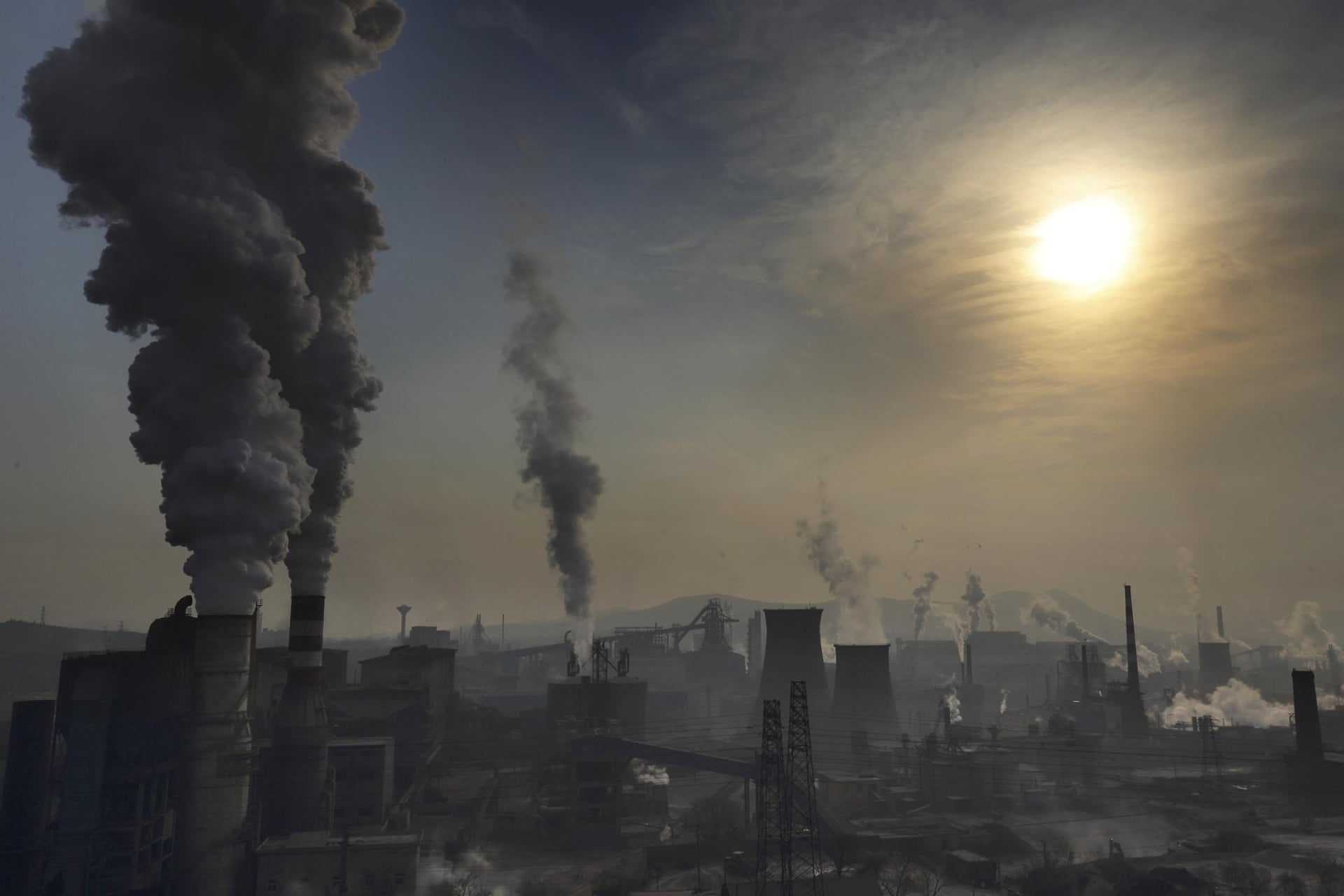
On the previous post, we debated on whether carbon dioxide should be labelled as a major air pollutant for having many adverse environmental repercussions such as ocean acidification. Today, I am going to share a more appalling fact that air pollution is set to worsen in tandem with anthropogenic driven climate change.

Recent conducted studies have shed some light on the complex interactions between air pollution and climate change. For instance, global warming would have a direct effect on the global precipitation and wind patterns which are crucial in the dispersal and transportation of the air pollutants. According to a study published on ScienceDirect that investigated climate change's effect on air pollution, climate change will exacerbate ozone pollution in urban areas and may directly trigger more respiratory illnesses and asthma attacks with the higher ozone exposure. This will in turn lead to the tightening of existing emission limits of ozone and other air pollutants; hampering existing efforts on air pollution control. In addition, ozone pollution is also known to destroy important crops such as wheat, thus causing even more dire consequences.

Another latest study conducted just last year reported that climate change can also lead to the stagnation of meteorology conditions which will greatly affect the accumulation and dispersion of the air pollutants. As a result, concentrations of hazardous pollutants such as PM2.5 and photochemical smog are expected to hit record highs on a regular basis in the near future. 

Therefore, it is critical that we act quickly to resolve both air pollution and climate change issues. However, air pollution and climate change are transboundary issues which would require the cooperation of many countries in the world. Unsurprisingly, the source of air pollution and climate change are closely related too. For example, the combustion of fossil fuels will produce harmful pollutants such as nitrous oxide which are also major greenhouse gases. Hence, this represents the importance of the transition to cleaner alternative energy sources. A clean and sustainable energy solution will be the key to thwart the double act of air pollution and climate change.

Wednesday, 25 February 2015

Should Carbon Dioxide be Considered as a Form of Air Pollution?

Carbon dioxide was first declared as an air pollutant by the Environmental Protection Agency in 2009. It sparked lots of debate on whether a natural occurring gas should be even considered as an air pollutant. We commonly associate carbon dioxide with global warming and for causing climate change.  
Ocean Acidification
Source: Oceana

http://usa.oceana.org/what-ocean-acidification
However, there are many people who are largely unaware of ocean acidification, which is often labelled as the other carbon dioxide problem. Oceans serve as major carbon sinks as they can absorb the carbon dioxide from the atmosphere and it is estimated that about one third of the anthropogenic carbon emissions is absorbed by the oceans, representing 22 million tons a day. When carbon dioxide dissolve in the water, carbonic acid will be produced which increases the acidity of the ocean, giving rise to the "ocean acidification" terminology. The ocean pH has been dropped by 0.1 over the past two centuries, which may seem minimal. However, this constitutes up to a 30 percent increase in acidity as the pH level is on a logarithm scale. For example, pH 7 will be ten times more acidic than pH 8.

This increase in acidity can destroy the delicate marine biodiversity in the oceans by lowering the amount of free carbonate ions that shell-producing marine organisms require for growth. Below is a good illustration by Oceana USA which explains the ocean acidification process.
Therefore, ocean acidification has the potential to inflict great harm to our vulnerable marine ecosystems, which we depend for marine food. Perhaps it is thus justifiable to label carbon dioxide as a major air pollutant. On the other hand, skeptics will point out that fluctuations in carbon dioxide concentration have occur in the past as well due to natural causes such as volcanic eruptions that can emit huge amount of carbon dioxide gas. Based on reconstruction of past records of atmospheric composition from the extraction of ice cores, it has been found out that concentration of carbon dioxide was even 20 times higher 500 million years ago compared to the present values.

However, it is irrefutable that human emissions have significant rose since the Industrial Revolution and we are responsible in speeding up the natural increase in carbon dioxide concentrations through human activities. Although carbon dioxide is a natural occurring gas in our atmosphere, it is the dose that makes the poison. The current marine ecosystem will be severely impaired at the current rate of carbon emissions.

Feel free to share your opinions on whether carbon dioxide should be considered as an air pollutant! :)

Monday, 23 February 2015

Can We Cycle for Blue Skies? 

We realised how air pollution can affect our daily activities from the previous post where it has resulted in the ban of the Chinese New Year tradition to light fireworks in China. Ironically, it is human activities that cause air pollution. Therefore, we are capable in alleviating it through the adaptation of our behaviour. Today we shall explore how on we can fight air pollution by changing our commuter behaviour in choosing cycling as the alternate mode of transport. 

Copenhagen is widely regarded as one of the most bike friendly city in the world and cycling is considered as part of its city culture. This has greatly assisted the Danish government in resolving air pollution as cycling represents as an emission-free mode of transport. In addition, cycling can help to ease traffic congestion, which is a huge cause of air pollution in major cities.

Nevertheless, there are some health concerns with cycling in congested city centres or highways. For instance, there is a study conducted in Montreal, Canada on commuting behaviours and exposure to air pollution revealed that cyclists may inhale a higher amount of pollutants due to the higher breathing rates during cycling. To counteract the potential increased exposure to air pollutants, the study recommended city planners to designate specific thoroughfares for cyclists. For instance, cycling paths can be constructed away from the main roads or highways, thus minimising the exposure to air pollutants from the traffic. 
'Cycle Snake', Elevated Bike Lane in Copenhagen
Source: Dissing, Weitling architecture
In addition, I feel that other measures can also be applied to help minimise the amount of pollutants inhaled by the cyclists. For example, low emission zones can be designated in major roads in the city centre. Setting stricter age requirements for vehicles and other criteria such as the compulsory fitting of closed particulate filters to help lower the amount of particulate matter and nitrogen dioxide in the city centre.  

Many skeptics may be quick to point out that cycling may represent as an idealistic solution in tackling air pollution. This is because there are many other factors that can discourage people to prefer cycling over their private mode of transport and the level of success ultimately depends on whether people would prefer cycling over driving. For instance, Singapore where I hail from, has a hot and humid weather with a high occurrence of thunderstorms which is a huge factor that will discourage cyclists to cycle to work. However, there are already plans to expand the cycling network in Singapore and currently there is already a significant amount of Singaporeans that cycle to nearby MRT train stations. I believe that cycling is something that we individuals can do in the fight against air pollution.

Feel free to share any comments on how we might be able to encourage people to consider cycling as the alternative mode of transport and I really do appreciate comments! :)

Thursday, 19 February 2015

Restriction and Ban of Fireworks in China During Chinese New Year 

Residents lighting off fireworks and firecrackers to celebrate Chinese New Year
Source: AP Photo/ Andy Wong
Happy Chinese New Year everyone! Air pollution is making the headlines even during this festive season in China. The symbolic traditions of lighting fireworks and firecrackers during Chinese New Year are restricted or even banned in many cities this year.   

Unfortunately, many residents were still undeterred and went ahead to set off the pyrotechnics so as to bask in the festive mood. As a result, the air quality index indeed worsened significantly after 8pm last night as people lit up firecrackers to usher in the new year

From this simple example of how air pollution can result in the altering or restricting of our traditions, it is paramount that we start to realise how vulnerable humans are to the consequences of our activities, despite the advanced technologies that we may possess. Anthropogenic (man-made) activities are the main drivers of major environmental change today, ranging from air pollution to even global warming due to the emissions of pollutants and greenhouse gases. Stay tuned as I discuss on how the change in commuter behaviour such as the adopting of bike culture and reducing the reliance on private transportation, can massively contribute to better air quality and blue skies. 

Wednesday, 18 February 2015

Smoke hoods in Nepal


Contrary to all my blog posts on outdoor air pollution thus far, today I will be discussing on the less reported indoor air pollution that has been implicating poor households in developing countries such as Nepal and Africa. In these poverty-laden households, cooking is always done with open cooking stoves and the burning of solid fuels such as animal wastes. 

The combustion of these solid fuels are highly inefficient and thus producing high amount of toxic gases such as carbon monoxide that can bind to haemoglobin in our blood and reduce the amount of oxygen that is delivered to our body tissues. In addition, other hazardous air pollutants such as PM2.5 are also liberated from these stoves, which are then inhaled mainly by women and children that spend more of their time at home. Pneumonia and lung cancer are highly associated with the inhalation of PM2.5. Poor ventilation in these houses further exacerbate the issue as these lethal air pollutants will accumulate and reach hazardous concentrations. 

Many of these households are usually trapped in the poverty cycle and thus unable to afford efficient cooking stoves and fuels for cooking. Prolonged exposure to these harmful air pollutants from inefficient cooking stoves will then incur great health consequences and forbid them from working and escaping the poverty cycle. 

Fortunately, there are available cheap and effective stove technologies to help reduce these hazardous indoor air pollutants. International organisations such as the Practical Action, have embarked on several projects to help install more inefficient cooking stoves in these households. Alleviation of indoor air pollution in developing countries is also one of the Millennium Development Goals

Saturday, 14 February 2015

Mounting Public Pressure on Air Pollution; Growing Environmental Awareness via Social Media 

Beside having reinforced legislation system to ensure that the local governments enforce stringent measures to curb emissions from polluting industries, there is also a growing influence of public pressure in China's war against air pollution.

With the worsening of air pollution conditions in China such as the 2013 Beijing's 'airpocalyse', social media platforms such as microblogs have been instrumental in the increased public environmental awareness on air pollution. For instance, PM2.5 was a hot subject of interest on many Chinese microblogs when netizens started to question the authorities on the lack of PM2.5 readings.


Thus, social media platforms can be seen as important channels in encouraging public participation against air pollution. There is also growing evidence that the China central government is encouraging public participation to toughen its stance against air pollution. It was announced last month that the Chinese government will be assisting public environmental groups to take the unlawful polluting companies to court. Under the new initiative, environmental groups will be granted special status and even lower court fees to sue these companies.

Public participation and public pressure are definitely having a ever-growing influence on the decisions made by the policymakers in tackling environmental issues. Although China's fight against air pollution remains a tricky one, it is evident that its central government has taken major strides over the past few years to resolve it. They can draw hope from the 2008 Beijing Olympics where blue skies formed beautiful scene over the city.

Clear Blue Skies Over the Beijing National Stadium
Source: AFP/ Stringer

Monday, 9 February 2015

Waging War Against Air Pollution; China's Growing Resolve in Eliminating the Smog

Notorious for its thick blanket of smog, Beijing epitomises the struggle of China in balancing economic growth and environmental sustainability. Today we shall visit China's capital and delve into some of China's latest efforts in combating air pollution. 


Beijing's recurrent smog episodes are largely attributed to coal-burning power stations that supply up to 25% of the city's total energy consumption, ever-growing vehicle population and heavy polluting industries from neighbouring regions such as Hebei with its steelmaking industrial activities


Hebei's Steelmaking Industrial Activities
Source: Eric Hilaire and Lu Guang/ Greenpeace
For many years, the central government of China has been wielding a blunt sword against air pollution due to poor enforcement of the regulations by local governments. It has been widely regarded that there is a conflict of interest between the central government and its local governments in the resolve of eliminating air pollution. For instance, corruption is tainting the cause against air pollution as some local officials are reported to have close links with the owners of the polluting companies, while others continue to allow industries to pollute as the emission-violation fines represent a source of revenue for these local governments.


In addition, China has turned to technology via the use of aerial drones with thermal infrared cameras to help monitor industrial emission levels to deter industries from exceeding their emission limits. China's growing resolve against air pollution is slowly but surely making progress in achieving its aim to eliminate the smog in its major cities.

Stay tuned as I will discuss on how public pressure in China has been contributing to the fight against air pollution in my next blog post. Meanwhile please feel free to comment on my posts, drop any questions that you may have or even suggest a topic on air pollution that you would like me to post in the future. :)

Friday, 6 February 2015

The Right To Breathe - Film


We can take charge of our health by making the right decisions such as maintaining a healthy diet and embark on an exercise regime. However, can we control the air that we are breathing in, which may be polluted and thus harmful to our health?

This 20 minutes film depicts the importance of air quality in Southern California with many different perspectives from the various stakeholders living there. It also highlights the issue of air pollution and equity; it is the poor that take the brunt of air pollution.

Air pollution is a looming environmental risk in many cities in the world, even in developed cities such as London. Stay tuned as I will explore the extent of air pollution impacts in some of these countries in the upcoming posts.

Monday, 2 February 2015

Guardians of Our Garden City? Importance of Trees in Preserving Air Quality


Brimming with lush greenery and having roads lined with neatly pruned trees; Singapore is renowned for its reputation as a garden city. Besides serving as an aesthetic function and being widely associated as the lungs of our Earth by supplying us with fresh oxygen, do trees serve any other purpose in our urban city? 


According to the study, trees can help to absorb the gaseous pollutants such as ozone, sulfur dioxide and nitrate dioxide (the 6 commonly monitored pollutants discussed in the previous post) through its leaf stomata which facilitate gaseous exchange. In addition, trees are also particularly effective in trapping hazardous  particulate matter such as PM2.5 on their leaves. These air pollutants are then washed off from the leaves when it rains and eventually absorbed by the soil. 

Based on environmental modelling and analyses, the study estimates that the trees grown in the urban areas can remove up to 711,000 tonnes of air pollutants per year, translating to US$7 billion direct human health effects from the reduced air pollution annually. The study also emphasised that trees grown in the urban areas have significantly greater impact on our health than those grown in the rural areas due to their proximity to people and probably pollution sources. 

Bringing this context back to Singapore, it is undeniable that our air quality is significantly better than many other countries laden with air pollution. This can be largely accredited to our comprehensive Urban Redevelopment Authority (URA) Master Plan in balancing our land use needs such as ensuring that potentially polluting industries are situated away from residence areas or even offshore. Moreover, there are also strict air pollution regulations set by national agency such as the National Environmental Agency (NEA) in monitoring and restricting vehicle emissions.

However, it is reported that the particulate matter level in Singapore is still exceeding the limits set by the World Health Organisation (WHO) and probably due to Singapore being a tiny island that houses one of the world's largest oil refineries. Perhaps it is time for us to give more recognition to our trees that are the unsung "guardians of our garden city" in trapping some these particulate matter and maintaining the air quality.